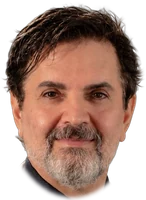
Sep 24 Meet the candidates: pre-election mixer: Thursday, 4:30 p.m. to 6:30 p.m., Bodwell High School, 955 Harbourside Drive. Details
Oct 1 All-candidates meeting: Thursday, 7:00 p.m., Eagle Room, Karen Magnussen Community Recreation Centre. Details
Oct 6 All-candidates meeting: Tuesday, 7:00 p.m., Lynn Valley Library Community Room. Max will be there. Details
Oct 8 All-candidates meeting: Thursday, 7:00 p.m., Mount Seymour United Church. Max will be there. Details
Oct 13 Student-led all-candidates forum: Tuesday, 4:45 p.m., Seycove Secondary School. Details
Advance voting: October 7, 10 and 12 ·  General voting day: Saturday, October 17, 2026  ·  8:00 a.m. to 8:00 p.m.  ·  How and where to vote

Accountability Starts Here

My ten priorities for the District of North Vancouver

Ten priorities, each with the specific changes this campaign is committing to, how it is paid for, and what it means in your neighbourhood. Every promise here is written down so it can be checked.

Walk it yourself, stop by stop

How I will work

I have lived in the District of North Vancouver for 38 years. I hold an MBA in Global Management and a BSc in Computer Science, and I have run a business, worked in software engineering and consulting, written policy for a Crown corporation and served on three strata councils. I will bring that experience with budgets, regulation and getting results to Municipal Hall.

At the first regular Council meeting, I will bring forward motions to launch the public commitment tracker and the North Shore wastewater fairness campaign.

I will bring forward practical proposals, build Council support and report openly on results. The Mayor is one vote of seven, so every commitment below says what I will propose, what Council must decide and what other governments control.

Every initiative that needs municipal resources will come with a proposed budget, funding source and schedule. Commitments involving other governments will name their responsibilities and the decisions still needed.

How this is paid for: new work will be funded only from savings that are verified and not already committed to existing services, and from confirmed partner contributions. Grants will not be counted until approved, and recurring programs will need recurring funding. Where money or staff are not available, projects will be phased, reduced or deferred, and I will say so publicly. These are targets and proposals, not a guaranteed delivery plan.

I will seek to work in partnership with the Sḵwx̱wú7mesh Úx̱wumixw (Squamish Nation) and səl̓ilw̓ətaʔł (Tsleil-Waututh Nation) on shared priorities, including emergency preparedness, the Maplewood and Deep Cove shorelines, and growth near Lions Gate and Norgate.

The next four years

Walk the term with Max Zahedi

Every stop on this road is a deadline Max has written into his platform, from voting day to the report card before the 2030 election. Press play, or choose a stop.

  1. Voting day Saturday, October 17, 2026

    Residents decide

    • Residents choose a mayor and council for the next four years. If Max is elected, the walk starts here. How and where to vote →
  2. Day 1 The first regular Council meeting

    Two motions on the first day

    • A motion to launch the public commitment tracker. Read the priority →
    • A motion to launch the North Shore wastewater fairness campaign, with a petition open to residents, businesses and neighbouring councils. Read the priority →
  3. Day 100 Within the first 100 days

    Every promise tracked in public

    • A personal commitment tracker published, showing deadlines, Council decisions, progress and evidence, and Council support sought for an official delivery dashboard. Read the priority →
    • Council support sought to publish a ranking of the ten worst District traffic bottlenecks. Read the priority →
  4. Month 6 Within six months

    A costed plan for every commitment

    • An implementation plan covering every priority and neighbourhood commitment: the staff time and spending each needs, first-year actions against later-term projects, and what depends on funding or a Council decision. Read the priority →
  5. Year 1 The first year

    The groundwork year

    A line-by-line budget, published plainly. A public account of the wastewater plant’s cost, with independent oversight pressed for at Metro Vancouver. One road-construction calendar. Service standards for municipal hall.

    • A core service review proposed, to find savings, duplication and services that could be delivered better. Read the priority →
    • A feasibility and financing plan for the 1,000 affordable rental and co-op homes, naming sites, capacity, affordability levels and milestones. Read the priority →
  6. Years 2–3 Years two and three

    Growth with the services to match

    Homes in the town centres with the roads, pipes, schools and parks to match. Wildfire and emergency plans reported to residents, not just filed. One North Shore voice on transit at the Mayors’ Council.

  7. Year 4 Year four, before the 2030 election

    The report card

    An account of the term against every commitment on this page, published before the 2030 election.

    • The first-term target: sites, approvals and financing committed for 1,000 affordable rental and co-op homes, each counted only once all three are in place. Read the priority →
Every quarter
The tracker updated, wastewater advocacy and government responses reported, business permit times published.
Every budget
A target to hold the municipal tax increase at or below B.C. inflation, and a plain-language breakdown of what the District controls.

Proposal Deadlines count from the day the new council takes office. The mayor is one vote of seven, so each stop says what Max will propose, publish or ask for; what Council must decide is marked in each of the ten priorities.

At a glance

The ten priorities

In detail

The commitments

Each priority below lists what changes. These are campaign positions — where a number is quoted, its source is named at the foot of the page.

Priority 1: Make My Commitments Publicly Trackable

Every promise on this page, tracked in public from day 100.

  • Within 100 days of taking office, I will publish a personal commitment tracker and seek Council support for an official municipal delivery dashboard.
  • The tracker will show original deadlines, Council decisions, outside dependencies, progress and evidence of completion. Proposed budgets and Council-approved budgets will be shown separately.
  • Updates will be published every quarter. Delays, revised targets and commitments that do not proceed will be explained openly.
  • Within six months of taking office, I will bring forward an initial implementation plan covering every priority and neighbourhood commitment. It will show existing District work that already meets part of each one, the extra staff time and spending needed, first-year actions versus later-term projects, and which items depend on funding or Council decisions.
Priority 2: Fight for Fair Wastewater Costs

The estimated program cost has grown from about $700 million to $3.86 billion. I believe North Shore ratepayers should not carry that increase alone.

  • Settlement money: Metro Vancouver received a $235 million settlement from the original contractor in May 2026. I will press for the largest possible share of those funds to benefit North Shore ratepayers, and for a public accounting of how the settlement is allocated.
  • Independent inquiry: I will support a full, independent inquiry into the cost overruns, and push for the fullest lawful public release of Metro Vancouver’s review and government responses.
  • Fair cost-sharing: I will seek Council’s appointment as the District’s representative on the Metro Vancouver board, and advocate for fairer regional cost-sharing. I will ask Victoria and Ottawa for capital funding, debt-servicing help and targeted ratepayer relief.
  • Resident petition: I will launch a North Shore wastewater fairness petition, open to residents, businesses and neighbouring councils.
  • Quarterly reports: I will report every quarter on advocacy, government responses and funding decisions, including what any relief means for a typical household bill.

See the full wastewater plan

Priority 3: Keep Property Taxes and Utility Bills in Check

Every dollar justified before Council asks residents for more.

  • In my first year, I will propose a core service review to find savings, duplication and services that could be delivered better.
  • I will seek Council support to set an annual budget target that holds the increase in the municipal property-tax levy on existing properties at or below inflation, measured by the previous year’s B.C. all-items Consumer Price Index. Any proposed increase above that benchmark will come with a public explanation of its causes, alternatives and effect on services. Utility fees, and costs set by Metro Vancouver, the Province or TransLink, will be shown separately.
  • Each budget will include a plain-language breakdown: what the District controls, what it does not, and what a typical homeowner and business will pay.
  • New spending in this platform will be funded from savings or partner contributions wherever possible. Grants will not be counted until approved, and any tax impact will be stated before Council votes.

The tax record: eight budgets, 2019 to 2026

Priority 4: Pursue 1,000 Affordable Rental and Co-op Homes

A first-term target of securing sites, approvals and funding partnerships for 1,000 affordable rental and co-op homes.

  • I will work with non-profit, co-operative and other qualified housing partners on suitable District-owned and partner lands. The focus is rental and co-op housing, where affordability can be protected long-term.
  • What “secured” means: progress will be tracked at each stage: site identified, site secured, project approved, financing committed, under construction and occupied. A home will count toward the 1,000 target only once its site is secured, the project is approved and its financing is committed.
  • Affordability will be defined before any project is approved: income bands by household size, maximum rents (and whether utilities are included), and how long the affordability terms last, with a goal of at least 60 years.
  • Within my first year, I will bring forward a feasibility and financing plan naming available sites, realistic capacity, affordability levels and milestones. It will pursue provincial programs through BC Housing, including BC Builds for middle-income homes, and federal programs. Because BC Builds does not provide the ongoing subsidies lower-income households need, the plan will show separately how deeper affordability would be funded. No funding will be counted until committed.
  • If the evidence requires changes to the target, I will explain them publicly.
  • Where the law and funding agreements allow, I will support transparent local-connection criteria for residents facing displacement and people who work in our community, considered alongside income and housing need.

Read the full plan: who decides, what Max proposes, the trade-offs

Priority 5: Improve Traffic, Park Parking and Construction Coordination

A public list of District bottlenecks within 100 days, better coordination to reduce avoidable overlapping closures, and simpler resident parking at parks.

  • Within my first 100 days, I will seek Council support to publish an initial ranking of ten priority District traffic bottlenecks, using available delay, safety and traffic data, and flag where more study is needed before work can be designed.
  • I will bring forward a phased improvement plan with estimated costs, funding options and early actions.
  • I will propose a shared construction calendar that coordinates municipal, utility and development roadwork. Emergency work and projects controlled by others will be clearly marked.
  • On Highway 1, the bridges and the Ironworkers approach, which the Province controls, I will press the Province and TransLink for timelines and for coordination with District roadwork.
  • Park parking: I will propose simpler annual registration for the resident parking pass at parks including Deep Cove, Panorama and Whey-ah-Wichen / Cates, an option for people without smartphones, and fewer unnecessary repeat check-ins. A lot-by-lot review will balance turnover, accessible spaces and longer stays. Some changes may depend on the operator contract and technology, and any change will state its cost and effect on availability.

Read the full plan: who decides, what Max proposes, the trade-offs

Priority 6: Connect Development Decisions to Infrastructure Capacity

No major rezoning or District growth plan without a clear public answer on District infrastructure, who pays, and what depends on schools and transit.

I am not anti-housing. I am pro-infrastructure: new homes need the water, sewer, roads, schools and transit to support them.

  • I will propose public infrastructure-capacity and financing statements for major discretionary rezonings and District-led growth plans, consistent with provincial law. “Major” will be defined by Council using clear thresholds, such as the number of homes or floor area.
  • Each statement will show existing District capacity for water, sewer, drainage and roads, required upgrades, expected timing and who is expected to pay. It will separate confirmed funding from proposed contributions.
  • Schools, transit and other services controlled by partner agencies will be reported separately, as dependencies the District cannot guarantee.
  • The process will build on existing engineering work, with independent review where a project’s scale or risk warrants it.
Priority 7: Make the District Work for Local Business, Day and Night

One coordinating contact at Municipal Hall for your business, and a pilot for livelier evenings in our town centres.

  • I will propose a business concierge: one coordinating contact for commercial applications, expansions and small-business renovations.
  • I will ask for current processing times to be reported publicly, then propose realistic service targets based on that data, including a coordinated first response and a target time to decision for defined categories of complete applications. Reports will separate District review time from time waiting on applicants or outside agencies, and the proposal will include a staffing and cost assessment.
  • Processing times, missed targets and fixes will be reported publicly every quarter.
  • I will seek Council approval for a one-year evening activity pilot with businesses and community groups: food vendors, small live performances, community talent nights and voluntary extended hours. It will have a set budget, accessibility and operating conditions, and will be judged on attendance, neighbourhood impacts, safety and business results.
  • Investment outreach will focus on film, digital production and clean technology, while supporting the businesses already here.
Priority 8: Help Create More Childcare Spaces

Faster municipal reviews and an assessment of District spaces for childcare.

  • I will propose a priority review stream for new and expanding childcare facilities, with early coordination between applicants, District staff and Vancouver Coastal Health.
  • I will seek an assessment of underused District-owned spaces that could host childcare, including conversion costs, accessibility and operating viability. Where feasible, operators will be chosen through a transparent process. Provincial capital funding will be pursued, but no space or grant will be counted until it is confirmed.
  • Success will be measured by licensed spaces that actually open. Provincial licensing and safety rules remain in full effect.
Priority 9: Strengthen School Safety and Address Drug Trafficking

Students deserve safe schools, safe routes home and protection from drug trafficking and exploitation.

  • I will seek a coordinated school-safety plan with North Vancouver RCMP, the North Vancouver School District and community partners to assess reported drug activity near schools and identify where more prevention and enforcement resources are needed.
  • I will advocate for visible patrols and focused enforcement where police evidence identifies trafficking or threats to students, while respecting the RCMP’s responsibility for operational decisions.
  • I will support clear reporting channels for students, parents and school staff, alongside drug education, early intervention and access to youth support services.
  • The District’s draft 2026–2030 financial plan shows RCMP staffing at 119 members, unchanged from 2025 and down from 129 in 2022, and anticipates a return to historical levels by 2030. I will request a public explanation of both the reduction and the restoration schedule, including whether it can be accelerated, separating authorized positions, funded positions, vacancies and officers available for duty.
  • Where the assessment identifies staffing gaps affecting public safety, I will bring forward a costed proposal with Council and the RCMP.
  • I will seek regular public progress reports that protect students’ privacy and ongoing investigations.
Priority 10: Strengthen Wildfire and Disaster Preparedness

A risk-ranked plan with real targets, and a plan for residents who can’t simply drive away.

  • I will seek a risk-ranked prevention and preparedness work plan that first sets out current fuel-treatment and FireSmart property-assessment capacity, then sets measurable targets matched to available resources.
  • Working with North Shore Emergency Management, and seeking collaboration with neighbouring First Nations, I will support alert tests, tabletop exercises and voluntary community drills.
  • Plans will address people without vehicles, residents who need assistance and accessible emergency communication.
  • Preparedness will cover wildfire, smoke, extreme heat, flooding, earthquakes and power outages. Public guidance will make clear that real-time emergency instructions always come first.

Read the full plan: who decides, what Max proposes, the trade-offs

In your neighbourhood

What the ten priorities mean where you live

The ten priorities apply across the District. Here is what they mean in each area.

Deep Cove

  • Parking: I will review check-in rules lot by lot and simplify resident access while keeping turnover, accessible spaces and longer-stay options.
  • Property standards: I will support consistent enforcement on neglected properties that meet legal thresholds, with fair notice and a right to reconsideration.
  • Drainage: Following the Gallant Avenue storm sewer work, I will ask for a public list of remaining drainage problems, ranked by risk, with engineering support and costs.

Deep Cove: voting, meetings and more

Maplewood / Seymour

  • Chemtrade safety: I will seek a plain-language public summary of what the District can enforce, which agencies oversee other risks, and professionally prepared shelter-in-place and evacuation guidance.
  • Conservation areas: Where the District has lawful authority, I will seek to require that developments that could affect the foreshore or habitat come with the studies, safeguards and monitoring the responsible authorities can lawfully require, seeking collaboration with Tsleil-Waututh Nation.
  • Jobs: I will vote to keep the employment land that adopted plans set aside, and propose that any change show its effect on industrial activity and regional designations.

Maplewood: voting, meetings and more · Seymour: voting, meetings and more

Lynn Valley

  • Growth and infrastructure: I will ask for a public capacity check on pipes, roads, schools and transit, and, where the District has authority, phase discretionary growth with the upgrades it needs, while pressing the school district and TransLink on theirs.
  • Kilmer Road: I will publish what safety measures are in place, what is outstanding and what the speed, crossing and collision data show, and act on the results.
  • Eastview Park: I will act on documented noise, trail damage and parking problems through restoration, routing and enforcement while keeping the park open to the public.

Lynn Valley: voting, meetings and more

Delbrook / Upper Lonsdale

  • Building size: I will ask for clear public information on what zoning allows on different lots, with modelling of privacy, shadowing, trees and housing effects.
  • Delbrook Avenue: I will publish the full history of safety changes and before-and-after results, and keep, fix or expand measures based on the evidence.
  • Wildfire readiness: I will support local exercises suited to this interface area, with plans for residents without vehicles or with mobility or communication needs.

Delbrook / Upper Lonsdale: voting, meetings and more

Upper Capilano / Edgemont

  • Local business: Edgemont Village businesses will have access to the District-wide business concierge, with clear requirements and service targets.
  • Tourist traffic: I will seek agreement with attraction operators and TransLink to expand shuttles and transit where they would reduce car trips.
  • Trees: I will review how well tree bylaws actually protect healthy trees, including arborist review, construction protection, replacement and survival monitoring.

Upper Capilano: voting, meetings and more

Lynn Creek / Lynnmour

  • Phibbs Exchange: I will work with TransLink and the Province to address lighting, crossing and accessibility gaps, with a public list of who owns and funds each fix.
  • Industrial land: I will propose that rezoning applications show their effect on industrial capacity, business displacement and regional designations.
  • Childcare: I will include District-owned spaces here in the childcare space assessment.

Lynn Creek: voting, meetings and more

Lions Gate / Norgate / Pemberton Heights

  • Pemberton Heights traffic: If traffic evidence shows turning restrictions are warranted, I will support testing them as a monitored pilot that checks emergency access and whether traffic shifts to other streets.
  • Norgate flooding: I will ask for updated flood hazard information and a ranked list of drainage and coastal protections, with ownership, funding and maintenance spelled out, seeking collaboration with the Squamish Nation.
  • Lions Gate amenities: I will publish which public-space and transportation commitments are secured, what gaps remain and who is responsible for delivering them.

Lions Gate / Lower Capilano: voting, meetings and more

Your turn

Something missing?

If the thing you care most about is not on this page, the campaign wants to know. Residents shape the platform between now and voting day.